
Digital Twins: How Mall REITs Are Cutting CapEx By 15% Through Virtual Modeling
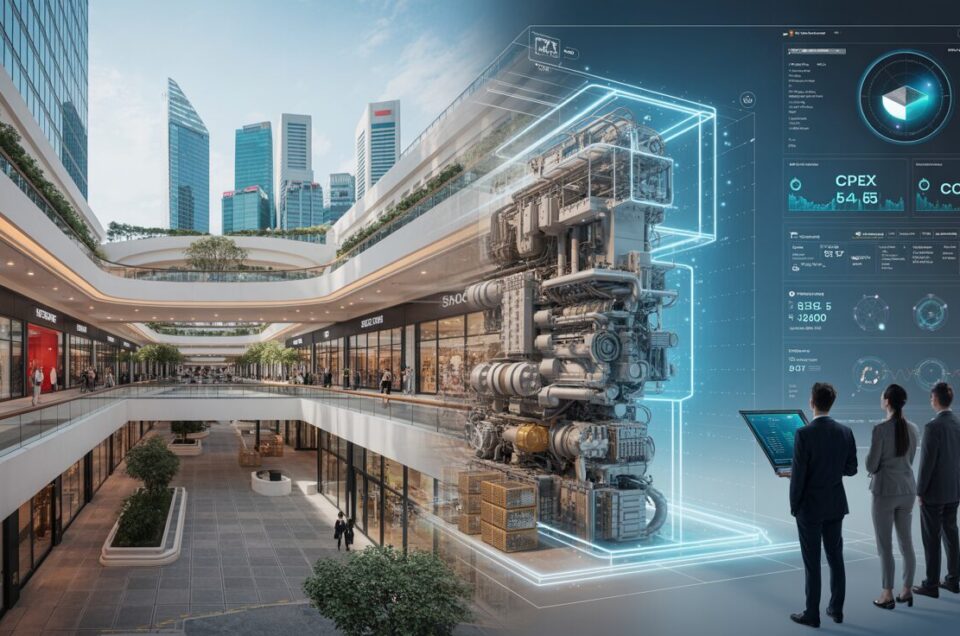
Table Of Contents
- Introduction
- Understanding Digital Twins in Commercial Real Estate
- CapEx Challenges Facing Mall REITs
- Key Applications of Digital Twins in Mall REITs
- Case Studies: CapEx Reduction Success Stories
- Implementation Strategies for Maximum ROI
- Future Outlook: Beyond CapEx Reduction
- Conclusion
Digital Twins: How Mall REITs Are Cutting CapEx By 15% Through Virtual Modeling
In the evolving landscape of commercial real estate, mall REITs face unprecedented challenges in balancing capital expenditures with shareholder returns. As consumer behaviors shift and retail spaces transform, traditional approaches to managing these complex assets are proving insufficient. Enter digital twin technology—sophisticated virtual replicas that are revolutionizing how mall owners plan, manage, and optimize their physical assets.
Recent implementations across Asia Pacific’s leading mall REITs have demonstrated that properly deployed digital twin technology can reduce capital expenditures by an average of 15%. This significant cost reduction comes alongside improvements in operational efficiency, tenant satisfaction, and sustainability metrics—a triple win for investors, operators, and occupants.
This article explores how forward-thinking mall REITs are leveraging digital twins to transform their capital planning processes, the specific applications driving cost reductions, and implementation strategies that maximize return on technology investments. As we’ll discover, the virtual modeling of physical assets isn’t just creating savings—it’s fundamentally reshaping how retail real estate can thrive in an increasingly digital world.
Understanding Digital Twins in Commercial Real Estate
Digital twins represent far more than simple 3D models or building information modeling (BIM) systems. In the context of mall REITs, a digital twin is a comprehensive, real-time virtual representation of physical assets that integrates multiple data streams—from structural and mechanical systems to foot traffic patterns and energy consumption.
These virtual replicas create a “living” model that continuously updates as conditions change within the physical mall. Advanced sensors, IoT devices, and integration with property management systems enable digital twins to provide an unprecedented level of insight into asset performance. For institutional investors and REIT managers, this technology transforms abstract data into actionable intelligence for capital allocation decisions.
The technological foundation of digital twins typically includes:
- Building Information Modeling (BIM) integration for structural and systems data
- IoT sensors monitoring everything from HVAC performance to occupancy patterns
- AI-powered predictive analytics for maintenance and replacement timing
- Integration with tenant management and financial reporting systems
- Real-time visualization tools for executive decision-making
While digital twin technology has been established in manufacturing and industrial contexts for years, its application in commercial real estate—particularly retail—has accelerated dramatically since 2022. This growth has been driven by declining implementation costs, increasing sophistication of underlying AI systems, and the pressing need for REITs to optimize capital allocation in challenging market conditions.
CapEx Challenges Facing Mall REITs
Mall REITs face unique capital expenditure challenges that make them particularly well-suited for digital twin applications. Understanding these challenges provides context for why the technology delivers such compelling returns in this sector.
The average Class A mall in Asia Pacific requires capital expenditures equivalent to 15-20% of NOI annually, with these expenditures falling into several categories: structural maintenance, systems replacement, tenant improvements, and cosmetic renovations. Traditional capital planning approaches rely heavily on predetermined replacement schedules and reactive maintenance, leading to significant inefficiencies.
Key challenges that have historically plagued mall CapEx planning include:
Imprecise Timing of Major System Replacements
Mall REITs typically replace major systems like HVAC, elevators, and electrical infrastructure based on estimated lifespans rather than actual performance degradation. This schedule-based approach results in premature replacements of functioning systems or costly emergency repairs when systems fail unexpectedly. Either scenario leads to suboptimal capital allocation.
Inefficient Renovation Cycles
Cosmetic renovations and tenant improvement allowances represent major capital outlays for mall operators. Without precise data on how these investments impact tenant performance and customer experience, many REITs over-invest in certain areas while under-investing in others, diluting overall returns on renovation expenditures.
Reactive Maintenance Approaches
Traditional mall maintenance often follows a reactive model—fix things when they break. This approach results in higher emergency repair costs and potential revenue disruption compared to predictive maintenance strategies that address issues before they impact operations.
These challenges are further complicated by the evolving nature of retail itself. As malls transform into mixed-use destinations with entertainment, dining, and experiential components, capital planning becomes increasingly complex. Digital twins provide a framework to manage this complexity while optimizing expenditures across competing priorities.
Key Applications of Digital Twins in Mall REITs
The implementation of digital twins in mall environments addresses CapEx challenges through several specific applications, each contributing to the overall 15% reduction in capital expenditures.
Predictive Maintenance Optimization
Perhaps the most immediate benefit comes from transitioning from schedule-based to condition-based maintenance. By continuously monitoring equipment performance through sensors integrated with the digital twin, mall operators can precisely identify when systems require maintenance or replacement. Studies from Singapore’s leading mall operators indicate this approach alone reduces maintenance costs by 8-12% while extending equipment lifespan by 15-20%.
For example, rather than replacing all escalator systems every 15 years, sensors can monitor vibration patterns, power consumption, and other performance metrics to identify exactly which components need attention. This targeted approach extends equipment life while reducing both parts and labor costs.
Energy Systems Optimization
Digital twins enable sophisticated modeling of energy consumption patterns, allowing mall operators to optimize HVAC, lighting, and other systems based on actual usage patterns. One Hong Kong-based REIT reported a 23% reduction in energy-related capital expenditures after implementing a digital twin system that identified inefficient equipment and opportunities for strategic replacement rather than wholesale system upgrades.
The virtual environment allows operators to simulate various retrofit scenarios and their expected returns before committing capital. This capability is particularly valuable for REITs pursuing green building certifications or ESG targets, as it helps prioritize investments with the highest sustainability impact per dollar spent.
Space Utilization and Tenant Improvement Allocation
Digital twins provide unprecedented visibility into how shoppers actually use mall spaces, enabling data-driven decisions about renovation investments. By analyzing foot traffic patterns, dwell times, and conversion rates within the virtual model, mall operators can precisely target tenant improvement allowances and common area renovations to spaces with the highest potential return.
This targeted approach typically reduces overall renovation budgets by 10-15% while increasing the effectiveness of the remaining expenditures. The data collected through the digital twin also strengthens negotiating positions with tenants regarding improvement allowances, as REITs can demonstrate exactly how previous investments impacted performance metrics.
Case Studies: CapEx Reduction Success Stories
Several leading mall REITs across Asia Pacific have already implemented digital twin technology with impressive results. Their experiences provide valuable insights into both implementation approaches and realized benefits.
CapitaLand Integrated Commercial Trust (Singapore)
One of Singapore’s largest retail REITs implemented digital twin technology across three flagship malls beginning in 2022. The implementation focused initially on mechanical systems and common areas, with tenant spaces added in subsequent phases. Within 18 months, the REIT reported:
• 16.4% reduction in annual CapEx across the three properties
• 22% decrease in emergency repair expenditures
• Extension of major system replacement timelines by an average of 3.2 years
• 9.8% reduction in energy consumption through optimized systems operation
The implementation cost approximately SGD 4.2 million across all three properties, with an estimated payback period of just under two years based on CapEx savings alone. When operational savings were included, the payback period shortened to approximately 14 months.
Scentre Group (Australia)
Australia’s Scentre Group deployed digital twin technology in a phased approach across its Westfield portfolio. Their implementation was notable for its focus on integrating tenant data with physical systems monitoring. Key results included:
• 13.7% reduction in overall CapEx within the first year
• More strategic allocation of tenant improvement allowances based on digital twin insights
• 18% reduction in water-related infrastructure costs through improved leak detection and pressure management
• Enhanced ability to simulate renovation scenarios before committing capital
Scentre Group’s approach demonstrated that digital twins provide value beyond direct cost reduction by improving capital allocation decisions across competing priorities. Their experience shows that the technology’s strategic benefits may ultimately outweigh the tactical cost savings.
Implementation Strategies for Maximum ROI
Implementing digital twin technology requires careful planning and execution to maximize return on investment. Based on the experiences of successful mall REITs, several implementation best practices have emerged:
Phased Implementation Approach
Rather than attempting to create a comprehensive digital twin of all mall systems simultaneously, successful implementations typically follow a phased approach. Many begin with mechanical systems like HVAC and elevators, where predictive maintenance offers immediate returns. Subsequent phases might include electrical systems, envelope components, and finally tenant spaces.
This approach allows REITs to demonstrate value quickly while learning from early implementation phases before expanding. It also helps manage implementation costs over multiple budget cycles rather than requiring a single large capital outlay.
Integration with Existing Property Management Systems
Digital twins deliver maximum value when integrated with existing property management, maintenance, and financial reporting systems. This integration enables automated workflows where insights from the digital twin trigger maintenance tickets, inform capital planning, and feed into financial projections.
REITs should evaluate their current technology stack early in the planning process to identify integration requirements and potential challenges. In some cases, implementing a digital twin may highlight the need to upgrade legacy systems that cannot support the required data flows.
Staffing and Capability Development
The human component of digital twin implementation is often overlooked but critical to success. REITs must develop internal capabilities to utilize the insights generated by the technology effectively. This typically involves:
- Training facility management staff to interpret digital twin data and modify maintenance approaches
- Developing analytics capabilities within asset management teams
- Creating clear governance around how digital twin insights inform capital planning decisions
- Establishing data quality protocols to ensure the twin remains an accurate representation of physical reality
REITs that invest in these human capabilities alongside the technology itself report significantly higher returns on their digital twin investments.
For mall REITs interested in exploring digital twin implementation, the scheduled sessions at the upcoming REITX 2025 summit will include detailed case studies and implementation workshops. Industry leaders and technology providers will share insights on implementation approaches tailored specifically to retail property contexts.
Future Outlook: Beyond CapEx Reduction
While the 15% CapEx reduction represents a compelling initial return on investment, the long-term value of digital twin technology extends far beyond direct cost savings. Forward-thinking mall REITs are already exploring additional applications that could further transform retail real estate operations.
Enhanced Tenant Experience and Leasing
Digital twins are increasingly being used to enhance the tenant experience through data-driven insights. By analyzing customer movement patterns, dwell times, and conversion rates, mall operators can provide tenants with valuable intelligence about store performance. This data becomes a value-added service that strengthens tenant relationships and potentially supports premium rents.
Several leading REITs have begun offering tenant-facing digital twin dashboards that allow retailers to visualize customer behaviors and test different store layouts or merchandising strategies virtually before implementing physical changes.
ESG Compliance and Reporting
As environmental, social, and governance (ESG) reporting requirements become increasingly stringent, digital twins provide a robust infrastructure for monitoring and improving sustainability metrics. The technology enables precise tracking of energy and water consumption, waste production, and carbon emissions across mall operations.
This capability not only supports compliance with reporting requirements but also helps identify the most cost-effective sustainability improvements. Digital twins allow operators to simulate various green initiatives and predict their impact on both environmental metrics and operating costs before implementation.
Integration with Smart City Initiatives
Looking further ahead, mall digital twins may eventually integrate with broader smart city initiatives. This integration could create new value streams by positioning malls as critical nodes in urban transportation networks, emergency response systems, or distributed energy resources.
Industry experts from firms like Microsoft, Siemens, and Willow will discuss these emerging applications at the REITX 2025 summit, offering mall REIT executives a glimpse into how digital twin technology might evolve over the next decade.
As the technology matures and implementation costs continue to decline, digital twins will likely become standard components of institutional-grade retail real estate operations rather than competitive differentiators. REITs that implement these systems early gain not only immediate cost savings but also valuable expertise that will inform future technology decisions.
Conclusion
Digital twin technology represents a transformative opportunity for mall REITs facing complex capital expenditure challenges. By creating comprehensive virtual replicas of physical assets that integrate real-time data from multiple sources, these systems enable unprecedented visibility into performance metrics and maintenance requirements.
The 15% CapEx reduction demonstrated by early adopters represents just the beginning of potential benefits. From predictive maintenance and energy optimization to enhanced tenant experiences and ESG reporting, digital twins are reshaping how retail real estate assets are managed, maintained, and monetized.
For institutional investors evaluating mall REITs, digital twin implementation should increasingly factor into investment decisions. The technology not only indicates operational sophistication but also suggests a forward-thinking approach to asset management that will likely deliver superior returns over time.
As we look ahead to REITX 2025, digital twins will feature prominently in discussions about the future of institutional real estate investment. The technology exemplifies the summit’s focus on how innovation drives value through advanced analytics, predictive modeling, and data-driven decision-making in the built environment.
Mall REITs that embrace this technology now position themselves not only for immediate CapEx savings but for leadership in the increasingly digital future of retail real estate.
To learn more about digital twin implementations and connect with technology providers specializing in retail REIT applications, contact the REITX team for information about our specialized implementation workshops and SPONSORSHIP TIERS that include technology showcases.


