
5G & Edge Computing Leases: Emerging as the New Anchor Tenants in Commercial Real Estate
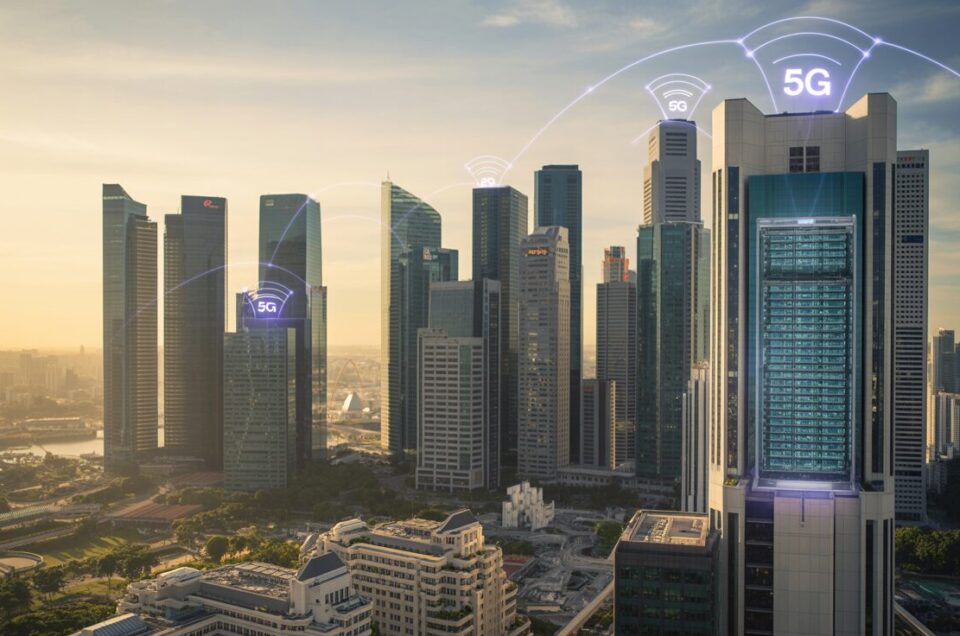
Table Of Contents
- Introduction: The Digital Infrastructure Revolution
- Understanding 5G Infrastructure Requirements
- Edge Computing: The Critical Complement
- Real Estate Implications of 5G & Edge Computing
- New Lease Structures & Revenue Models
- Investment Considerations for Institutional Players
- Future Outlook: Beyond Current Deployments
- Conclusion: Positioning for the Next Digital Wave
5G & Edge Computing Leases: Emerging as the New Anchor Tenants in Commercial Real Estate
The commercial real estate landscape is witnessing a profound transformation as digital infrastructure deployments accelerate across global markets. 5G networks and edge computing facilities are no longer emerging technologies—they are rapidly becoming essential components of our digital economy, creating an entirely new category of anchor tenants for property owners and investors. For institutional real estate stakeholders, understanding this shift presents both immediate opportunities and strategic positioning advantages in an increasingly competitive marketplace.
As traditional retail and office sectors continue to evolve, telecommunications infrastructure and data processing facilities are creating stable, long-term lease opportunities with built-in growth potential. The confluence of explosive data consumption, IoT proliferation, and demands for near-zero latency applications is driving telecommunications companies and technology providers to secure prime real estate positions for their expanding networks—creating what many industry analysts are calling ‘the new digital anchor tenant.’
Understanding 5G Infrastructure Requirements
Unlike previous cellular technology generations, 5G demands a fundamentally different physical footprint across urban landscapes. The high-frequency millimeter wave (mmWave) spectrum that enables 5G’s revolutionary speeds has limited propagation capabilities, requiring a dense network of transmitters, small cells, and distributed antenna systems.
This density requirement creates unprecedented demand for strategically positioned real estate assets. A single carrier’s 5G network may require 10-100 times more physical sites than its 4G predecessor in urban environments. Each small cell installation typically requires:
- Power supply and backup systems
- Fiber connectivity access points
- Climate-controlled enclosures
- Security provisions
- Regulatory clearances and rights-of-way
For commercial property owners, these technical requirements translate to monetization opportunities across diverse asset classes. Office towers, shopping centers, multifamily developments, and even industrial properties are becoming integration points for 5G infrastructure. The most valuable positions are often building rooftops, sides of structures, utility poles, and strategic ground-level locations with clear signal paths.
REITs with geographically diverse portfolios are particularly well-positioned to capitalize on this trend, offering telecommunications companies streamlined deployment across multiple markets through master lease agreements. These portfolio-wide arrangements create efficiencies for both parties and strengthen tenant relationships beyond individual property negotiations.
The Small Cell Revolution
Small cell deployments represent the foundation of advanced 5G networks. These unobtrusive installations—often no larger than a backpack—can be integrated into existing architectural elements, street furniture, and building infrastructure. While individual small cell lease values may be modest compared to traditional anchor tenants ($500-$5,000 monthly depending on location and market), their aggregate value across a property portfolio becomes significant.
The most sophisticated property owners are developing standardized processes for evaluating, approving, and installing these systems, creating competitive advantages in capturing market share of deployments. Some forward-thinking REITs have established dedicated telecommunications infrastructure teams to streamline leasing operations and maximize value capture from these specialized tenants.
Edge Computing: The Critical Complement
If 5G networks represent the nervous system of our digital future, edge computing facilities function as the distributed brain. Edge computing brings processing power closer to end-users and connected devices, dramatically reducing latency and enabling real-time applications that would be impossible with traditional centralized data centers.
These edge facilities range from micro data centers (often 100-1,000 square feet) to larger edge facilities serving regional needs. The deployment pattern follows population density and industrial activity, creating opportunities for property owners in both urban cores and strategic suburban locations. Edge facilities require:
- Robust power infrastructure with redundancy
- Multiple fiber network connections
- Enhanced physical security
- Precision cooling systems
- Expansion capacity for growing computing demands
For commercial real estate stakeholders, edge computing represents a higher-value leasing opportunity compared to antenna or small cell deployments alone. These facilities typically command premium rates per square foot and involve substantial tenant improvements, creating sticky, long-term relationships with technology providers, cloud operators, and telecommunications companies.
Real Estate Implications of 5G & Edge Computing
The integration of 5G and edge computing into the built environment is creating cascading effects across real estate investment strategies. Properties with robust digital infrastructure increasingly command premium valuations, while those lacking connectivity risk accelerated obsolescence.
Asset Class Impacts
Different property sectors experience distinct opportunities and challenges in the 5G evolution:
Office Towers: Premium office assets in central business districts offer ideal positions for both rooftop 5G deployments and upper-floor edge computing facilities. Advanced connectivity is increasingly a competitive requirement rather than an amenity, with tenants demanding seamless 5G coverage throughout buildings. Some Class A office owners are proactively installing neutral-host distributed antenna systems to attract premium tenants while creating additional revenue streams from carrier participation.
Retail Properties: Shopping centers and malls face disruption from e-commerce but gain new relevance as connectivity hubs. Their distributed locations throughout metropolitan areas, ample power capacity, and existing fiber connections make them natural hosts for both 5G and edge facilities. Forward-thinking retail REITs are repurposing portions of underperforming properties for edge computing, creating hybrid assets that blend traditional retail with digital infrastructure.
Industrial/Logistics: The explosive growth in e-commerce and supply chain digitization requires extensive connectivity across industrial portfolios. 5G networks enable advanced robotics, autonomous vehicles, and IoT-powered inventory systems. Many industrial REITs are incorporating edge computing facilities into new developments, creating integrated logistics hubs that combine physical distribution with data processing capabilities.
Multifamily: Residential properties increasingly compete based on connectivity offerings. Buildings with robust 5G coverage command rent premiums of 5-8% in competitive markets. Some multifamily REITs are partnering with carriers for property-wide 5G implementations, securing both improved tenant amenities and rooftop/common area lease revenues.
The most sophisticated institutional investors recognize that 5G and edge computing investments enhance overall property performance beyond direct lease revenues. Properties with advanced connectivity infrastructure typically experience higher occupancy rates, stronger tenant retention, and enhanced overall asset values.
New Lease Structures & Revenue Models
The digital infrastructure sector has developed specialized lease structures that differ significantly from traditional commercial real estate arrangements. Understanding these differences is crucial for institutional investors seeking to maximize value from 5G and edge computing deployments.
Telecommunications Infrastructure Leases
5G infrastructure leases typically feature:
Extended Terms: Initial periods of 5-10 years with multiple renewal options, often totaling 25+ years of potential occupancy. This long-term horizon provides stable, predictable income streams attractive to institutional investors.
Escalation Structures: Annual rent increases of 2-3% are standard, though some innovative REITs have negotiated participation rights in traffic growth or revenue-sharing components that provide upside exposure to growing data consumption.
Portfolio-Wide Master Agreements: Large property owners can negotiate master terms across multiple properties, creating deployment efficiencies for carriers while establishing consistent standards and pricing frameworks.
Equipment Upgrade Provisions: Given the rapid evolution of telecommunications technology, well-structured leases include clear protocols for equipment upgrades, replacements, and expansions throughout the lease term.
Edge Computing Facility Leases
Edge computing facilities typically follow modified data center leasing practices:
Power-Based Pricing: Rather than traditional square footage metrics, many edge computing leases incorporate power capacity (kW) allocations as primary pricing determinants, reflecting the critical nature of electrical infrastructure.
Tiered SLAs: Service Level Agreements governing uptime, cooling performance, and security protocols are central components, with financial remedies for performance failures.
Connectivity Rights: Access to multiple fiber providers and network connection points represents substantial value in these specialized leases.
Expansion Options: Rights of first refusal on adjacent spaces and defined expansion parameters accommodate the rapidly growing processing needs of edge tenants.
The most successful institutional owners in this space have developed specialized expertise in these unique lease structures, often creating dedicated teams that combine real estate acumen with telecommunications and technology industry knowledge. During our scheduled sessions at REITX 2025, leading practitioners will share frameworks for evaluating and optimizing these specialized lease structures.
Investment Considerations for Institutional Players
For institutional investors and REITs considering strategic positions in the 5G and edge computing landscape, several key considerations should guide decision-making:
Portfolio Assessment
The first step involves systematic evaluation of existing assets for digital infrastructure potential. This assessment should consider:
Geographic Distribution: Properties in dense urban areas, growing suburban corridors, and strategic transportation routes offer premium value for 5G and edge deployments.
Structural Capabilities: Building structural capacity, available power reserves, fiber connectivity, and physical security features determine deployment feasibility.
Regulatory Landscape: Local zoning regulations, historical district restrictions, and permitting requirements vary significantly across jurisdictions, creating both constraints and competitive advantages for properly positioned assets.
Many institutional investors are conducting portfolio-wide digital infrastructure audits to identify prime opportunities and prioritize properties for telecommunications and edge computing marketing efforts.
Capital Allocation Strategies
Beyond optimizing existing assets, forward-thinking institutions are allocating capital specifically toward digital infrastructure opportunities through various approaches:
Specialized REITs: Some investors are gaining exposure through dedicated digital infrastructure REITs focusing on data centers, cell towers, and fiber networks, which offer pure-play exposure to the sector.
Joint Ventures: Partnerships between traditional real estate owners and telecommunications infrastructure operators create structures that leverage the expertise of both sectors. Several major office and retail REITs have established strategic JVs with digital infrastructure specialists to accelerate deployments across their portfolios.
Direct Infrastructure Investment: Some larger institutions are directly investing in the enabling infrastructure itself, funding fiber deployments or neutral-host networks that serve multiple carriers within their properties.
The decision between these approaches depends on institutional expertise, risk tolerance, and strategic objectives. Our speakers at REITX 2025 will present case studies highlighting successful implementation of each strategy within institutional portfolios.
Future Outlook: Beyond Current Deployments
While the current wave of 5G and edge computing installations presents immediate opportunities, institutional investors should position for future evolution in this rapidly advancing sector:
6G Development: Research into 6G technologies is already underway, with commercial deployment anticipated within the decade. These systems will likely require even greater network densification and integration with the built environment.
Advanced Edge Applications: The next generation of edge computing will expand beyond current applications to support autonomous vehicles, advanced smart city implementations, and immersive extended reality experiences—all requiring integration with physical infrastructure.
Convergence with Sustainability: Digital infrastructure deployments increasingly incorporate renewable energy systems, advanced battery storage, and heat recapture technologies that align with institutional ESG objectives.
Regulatory Evolution: Government policies regarding telecommunications deployment, data sovereignty, and critical infrastructure protection continue to evolve, creating both compliance challenges and strategic opportunities.
The most sophisticated institutional players are establishing governance frameworks that regularly reassess digital infrastructure strategies against these evolving technological and regulatory landscapes.
Conclusion: Positioning for the Next Digital Wave
The integration of 5G networks and edge computing facilities represents more than a tactical leasing opportunity—it signals a fundamental evolution in how real estate assets participate in the digital economy. Properties that successfully incorporate these technologies become not merely physical spaces but active participants in the data ecosystem that powers modern commerce, communication, and innovation.
For institutional investors and REITs, the strategic implications are clear: digital infrastructure capability is becoming a critical factor in asset valuation and portfolio performance. Properties lacking connectivity risk accelerated obsolescence, while those embracing these technologies gain competitive advantages in tenant attraction, retention, and long-term value appreciation.
The convergence of physical and digital infrastructure creates opportunities for innovative lease structures, new revenue streams, and enhanced property performance beyond traditional metrics. Forward-thinking institutions are developing specialized expertise in this sector, either through internal capability development or strategic partnerships with digital infrastructure specialists.
As 5G deployment accelerates and edge computing becomes essential for emerging applications, institutional real estate leaders must develop comprehensive strategies that position their portfolios to capture this value. The most successful will view telecommunications and technology companies not merely as tenants but as strategic partners in creating the connected built environment of the future.
Join us at REITX 2025, Asia Pacific’s premier institutional real estate investment summit, to explore this topic in greater depth with industry leaders and technology visionaries. Our expert panels and networking opportunities will provide actionable insights on capturing value from digital infrastructure integration across diverse real estate portfolios. Contact us today to learn more about our SPONSORSHIP TIERS and secure your place at this transformative event.


